.svg)
How to Leverage ChatGPT Languages for Global Support

Let's start with the basics.
Unlike a lot of older tech, ChatGPT doesn't have to flip a switch or load a new module when you change languages. It was trained on the whole internet, billions of pages of data, in dozens of languages all at once. That means "understanding" isn't an add-on; it’s baked right into the system's DNA.
So, when we talk about, ChatGPT language support, we’re talking about a tool that genuinely "gets" over 95 languages. It grasps the context, the tone you're using, what you're trying to achieve, and even those little cultural nuances that usually get lost in translation.
Examples of what this looks like:
A customer types "¿Tienen envío a Colombia?" (Do you ship to Colombia?) The AI reads Spanish, understands the shipping question, checks your policy, and responds accurately in Spanish.
Language is a sales closer. Research shows that 76% of shoppers prefer buying in their native language, but more importantly, 40% will never buy from a foreign-language site. If you aren't localizing, you aren't just losing interest; you're losing nearly half your market.
ChatGPT languages support turns this preference into competitive advantage.
How One AI Agent Handles Dozens of Languages Simultaneously

A single AI agent powered by ChatGPT languages can simultaneously:
- Handle a complaint from a customer in France in French
- Answer a customer in Brazil in Portuguese
- Qualify a lead from Saudi Arabia in Arabic
- Process an order inquiry from Mexico in Spanish
- Support a German customer in German
All at the same time. With no degradation in quality. At 2 AM on a Sunday.
How It Actually Works
When a customer sends a message, the AI automatically:
1. Detects the language: No setup needed. The system recognizes over 95 languages instantly from the text pattern.
2. Processes the intent: Not just translation, the AI understands what the customer actually wants. Asking for a refund in French? Registering a complaint in Portuguese? Inquiring about shipping in Spanish? Intent recognized regardless of language.
3. Pulls from your knowledge base: The AI accesses your product catalog, policies, and FAQs, then responds with your actual information in the customer's language.
4. Responds naturally: The response isn't awkward machine translation. It's contextually appropriate language that sounds like a fluent speaker wrote it.
5. Maintains conversation context: If a customer switches between English and Spanish mid-conversation (it happens more than you think), the AI follows without breaking.
This is fundamentally different from bolting translation software onto a basic chatbot. The language intelligence is native to the system.
What This Means Region by Region
Now, about the markets this opens up, understanding which regions benefit most from ChatGPT languages capabilities helps you prioritize.
- Latin America (Spanish & Portuguese)

The Luso-Hispanic market is essentially a massive, untapped goldmine for automation. With over 750 million native Spanish and Portuguese speakers globally, If your brand isn’t speaking their language, you’re basically invisible to a huge chunk of the world. This is especially true in Brazil, WhatsApp isn’t just an "app" there; it’s practically the internet. With 148 million users it has a staggering 98.9% penetration rate among people online. If you're doing business in Brazil, you're doing business on WhatsApp.
For anyone in cross-border e-commerce, Latin America is where the growth is happening. Having AI agents that are actually fluent in Spanish and Portuguese is a game changer. They can handle WhatsApp pings, qualify leads, process orders, and take care of customers in the language they actually use at home.
- Middle East & North Africa (Arabic)
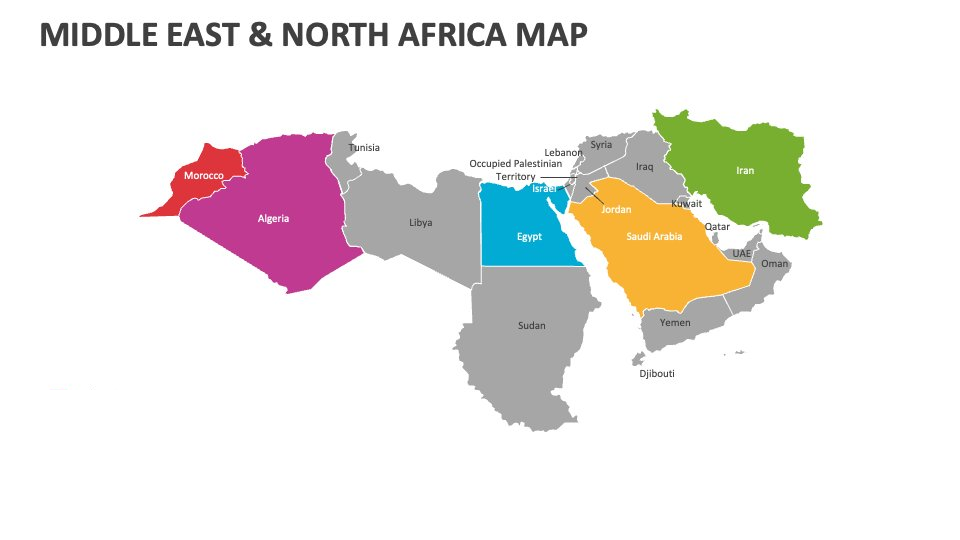
Arabic-speaking markets are currently some of the fastest-growing spots for e-commerce globally, between the right-to-left text direction and the fact that dialects can change completely from one country to the next, basic translation tools usually make a mess of it. It’s one of those things where "almost right" can feel very wrong to a customer.
The cool part about ChatGPT’s language support is that it handles Modern Standard Arabic along with those common dialects. This makes multilingual AI Support for this region actually useful. It actually speaks the way people do, which builds a ton of trust in markets that are often overlooked by global brands.
- French-Speaking Markets (West Africa + France)

French is the official language in 29 countries, with some of the world's fastest-growing consumer markets in West Africa. Most businesses completely ignore Francophone Africa despite its 200+ million French speakers.
AI-powered Global Customer Experience in French opens access to markets your competitors haven't even considered.
- Southeast Asia (Multiple Languages)
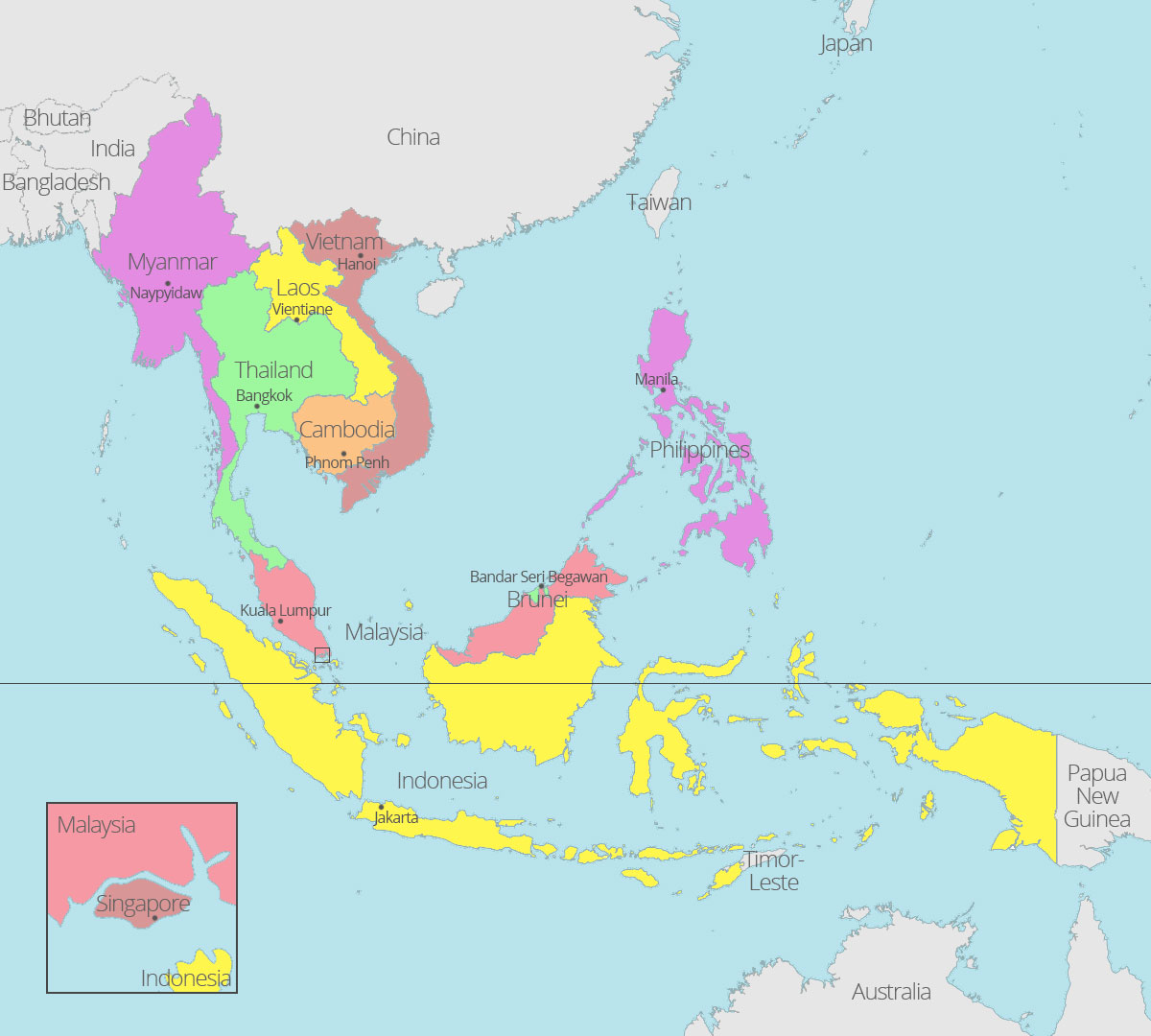
Markets like Indonesia, Thailand, Vietnam, and Malaysia represent hundreds of millions of consumers. Cross-border E-commerce into Southeast Asia is exploding, but language barriers have historically made customer support expensive.
AI handling Indonesian, Thai, Vietnamese, and Malay simultaneously makes regional expansion viable for businesses of any size.
In a world where customers jump between WhatsApp and Instagram, channel-agnostic language support is no longer optional. Rather than treating each platform as a unified system ensures your brand voice remains consistent in any language. This shift in customer messaging strategy explains why being 'present' on multiple channels is only half the battle; being 'understood' everywhere is what actually wins.
Setting Up Multilingual AI Support
Here's a practical implementation guide.
Step 1: Choose a Platform with Native Language Support
Not all AI chatbot platforms handle ChatGPT languages equally. Look for:
- Native language detection (not add-on translation plugins)
- 50+ languages supported minimum
- Natural response quality, not robotic translation
- Same conversation quality across languages
- No separate setup required per language
Platforms built on modern LLM technology handle this automatically. Older rule-based chatbots with translation layers don't.
Step 2: Train Your Bot Once, Deploy Everywhere
The beauty of Multilingual AI Support is efficiency: you set up your product information, policies, and FAQs once in English, and the AI handles all language variations automatically.
You don't:
- Create separate chatbots per language
- Translate your knowledge base manually
- Build different conversation flows per market
You:
- Set up your knowledge base thoroughly in your primary language
- Verify quality in your top 2-3 secondary languages
- Let the AI handle the rest
Step 3: Prioritize Your Key Markets
Never forget to look at your analytics and check out where your international traffic is coming from. Start by testing AI support quality for those languages first before expanding to new markets.
Tools like Heyy.io show you conversation data by language, so you can see exactly which markets are engaging and how the AI is performing.
Step 4: Configure Regional Business Rules
Different markets have different expectations, regulations, and business norms:
- Shipping policies vary by region
- Pricing may differ by currency
- Legal disclaimers may be required in specific markets
- Response formality varies culturally (Spanish in Spain versus Mexico feels different)
Configure these variations so your Multilingual AI Support is contextually appropriate.
Step 5: Monitor Language-Specific Performance
Track separately for each language:
- Conversation completion rates
- Escalation rates (where AI struggles)
- Customer satisfaction scores
- Common questions the AI can't answer
This data tells you where to improve training and which languages need refinement. A comparison of available multilingual AI chatbot platforms shows what high-quality performance benchmarks look like across different languages and regions.
Finally...
Here's what ChatGPT languages capabilities actually mean for your business:
The technology to serve Spanish speakers in Mexico, Arabic speakers in Dubai, French speakers in Paris, and Portuguese speakers in São Paulo, simultaneously, instantly, accurately exists right now.
You get the full picture of what's possible by understanding how leading businesses approach Global Customer Experience end-to-end. Resources like AI customer service strategies for modern businesses show how multilingual support fits into a broader approach to scaling customer experience without scaling headcount proportionally.
Frequently Asked Questions (FAQs)
Q: How many languages does ChatGPT languages support cover?
A: ChatGPT supports 95+ languages with varying proficiency levels. Performance is strongest in high-resource languages: English, Spanish, French, German, Portuguese, Arabic, Japanese, Chinese, and Korean. Less common languages work but may have lower accuracy.
Q: Does Multilingual AI Support require separate setup for each language?
A: No. Platforms using native ChatGPT languages capabilities detect and respond to languages automatically. You train your bot on your business information once (typically in English) and the AI handles other languages automatically. You may want to add language-specific FAQs for your most important markets, but you don't need separate bots per language.
Q: Is the quality of Multilingual AI Support the same across all languages?
A: Not identically, English, Spanish, French, and other high-resource languages perform at near-native quality. Less common languages may occasionally produce awkward responses. For your primary target markets, test quality with native speakers before going fully live. Most businesses find quality more than acceptable for their key markets.
Q: How does ChatGPT languages handle regional dialects?
A: Modern LLM-based systems generally handle major dialect differences well. Mexican Spanish versus Castilian Spanish, Brazilian Portuguese versus European Portuguese, Gulf Arabic versus Egyptian Arabic, these are understood contextually. Slang and very local expressions remain challenging, but standard communication performs reliably.
Q: Can one AI agent really handle Cross-border E-commerce in multiple languages simultaneously?
A: Yes. Each conversation is handled independently by the same underlying AI. One hundred simultaneous conversations in ten different languages creates no degradation in quality or speed.
More blog posts to read


Ready to Automate Support
Across Every Channel?
.svg)
.avif)