.svg)
5 Best Multilingual AI Chatbots in 2026

Your customers speak different languages.
Spanish. French. German. Mandarin. Arabic. Portuguese. Japanese.
And right now, you're probably only supporting them in English.
Every time a non-English speaker reaches out, you're either:
- Making them struggle through English
- Using Google Translate and hoping for the best
- Losing them to competitors who understand their language
None of these are good options.
Hiring multilingual support agents is expensive. Outsourcing is unreliable. Translation services are slow.
But in 2026, there's a better way: multilingual AI chatbots that automatically detect and respond in your customer's language.
Here are the 5 best platforms that do this right.
1. Heyy.io
Heyy.io tops this list for a simple reason: it makes multilingual customer support effortless.
Why It's the Best
Supports 100+ languages automatically: The AI detects the customer's language and responds instantly in that language.
Train once, support everywhere: You upload your knowledge base in English. The AI automatically translates and adapts responses for other languages while maintaining context and tone.
Natural conversation: Heyy.io doesn't do literal translations. It understands intent and responds naturally in each language, including slang and colloquialisms.
Works across all channels: Website chat, WhatsApp, Instagram, email, all in the customer's preferred language.
Smart escalation: When a conversation needs your staff, the bot routes to agents who speak that language (if you have them) or provides full context for translation tools.
Affordable: Starts at $49/month. Compare that to hiring multilingual agents at $3,000-$5,000/month per language.
It’s Best For
Growing businesses with international customers who need reliable multilingual support without enterprise costs.
Language Coverage
100+ languages including Spanish, French, German, Portuguese, Italian, Dutch, Russian, Arabic, Hebrew, Chinese (Simplified & Traditional), Japanese, Korean, Hindi, Bengali, Turkish, Polish, Swedish, Norwegian, Danish, Finnish, and more.
Setup Time
Under 15 minutes. Connect your English knowledge base and the AI handles the rest.
Learn more about chatbot automation strategies with Heyy.io.
2. Zendesk Answer Bot
If you're already using Zendesk, their Answer Bot offers decent multilingual capabilities.
Why It's Good
Native integration: Works easily within your existing Zendesk workflow.
Supports 40+ languages: Major languages covered, though not as comprehensive as some competitors.
Pulls from your help center: Automatically translates help articles and suggests them to customers in their language.
Enterprise-grade analytics: Extensive reporting on which languages need more support resources.
Limitations
Expensive: Answer Bot is an add-on that costs $50-$100+ per agent per month on top of your Zendesk subscription.
Requires manual translation of help articles: While it can suggest translated articles, you need to create them first.
Best For
Large enterprises are already heavily invested in Zendesk who need basic multilingual capabilities.
Language Coverage
40+ languages including major European and Asian languages.
3. Intercom Fin

Intercom has invested heavily in their AI assistant, Fin, and its multilingual capabilities are strong.
Why It's Good
Understands technical questions: It’s great for SaaS companies where customers ask a lot of difficult product questions in different languages.
Contextual responses: Pulls from your product documentation and translates the context.
Supports 43 languages: Good coverage of major markets.
Conversation history in original language: Maintains chat history in the language it happened, making handoffs cleaner.
Limitations
Very expensive: Starts at $74/month but realistically costs $200-$500/month for most teams once you add necessary features.
Slower setup: Takes longer to train on multilingual content compared to newer platforms.
Overkill for simple use cases: If you're just answering basic questions like order tracking, you're paying for a whole lot you don't need.
Best For
Well-funded SaaS companies with technical products and global customer bases.
Language Coverage
43 languages with focus on markets where SaaS adoption is highest.
4. Tidio
Tidio is the budget-friendly option if you're just starting with multilingual support.
Why It's Good
Cheap: Free plan available. Paid plans start at $29/month.
Supports 180+ languages: Surprisingly comprehensive language coverage for the price.
Simple setup: Very basic training requirements. You can be live in under an hour.
Visual flow builder: It’s easy to create basic multilingual conversation flows without coding.
Limitations
Literal translations: Often translates word-for-word rather than understanding context, leading to awkward responses.
Doesn't scale well: Fine for 50-100 conversations per month. Beyond that, limitations become obvious.
Basic integrations: Can't connect to as many business systems as more comprehensive platforms.
It’s Best For
Solo entrepreneurs or micro-businesses (under 5 people) testing multilingual support for the first time.
Language Coverage
180+ languages via integration with translation services.
5. Freshdesk Freddy AI
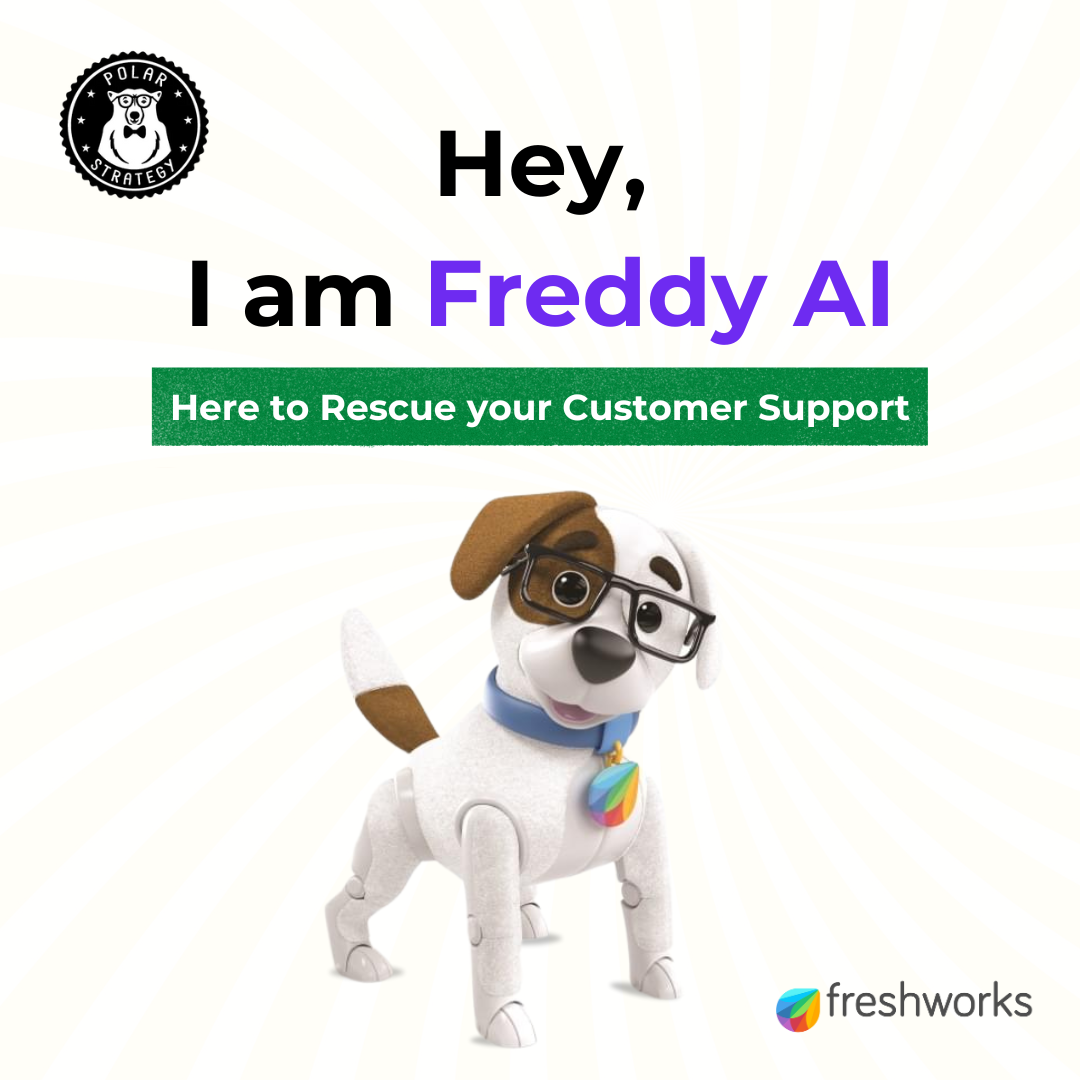
Freshdesk offers Freddy, their AI assistant, with multilingual capabilities which is pretty cool, look at that cute puppy.
Why It's Good
Supports 33 languages: Covers most major markets.
Reasonable pricing: Starts at $15/agent/month (AI features cost extra but less than Intercom/Zendesk).
Auto-translation for agents: If you only have English-speaking agents, Freddy can translate conversations in real-time so they can respond.
Ticket auto-routing: Automatically routes tickets in specific languages to agents who speak those languages.
Limitations
Setup requires patience: Takes time to configure multilingual settings properly.
Translation quality varies: Some languages work better than others. Certain languages (Spanish, French, Italian) are strong. Others are hit-or-miss.
Limited automatic content translation: You need to manually create help articles in each language.
Best For
Mid-sized businesses (20-100 employees) who want established brand recognition without enterprise pricing.
Language Coverage
33 languages with focus on European and Asian markets.
What to Consider When Choosing
Your Customer Base Languages
Don't pay for 100+ languages if all your customers speak English, Spanish, and French. But also don't limit yourself too much, you might expand to new markets.
Check your data: What languages do your website visitors use? What languages appear in your support requests?
Your Team's Language Capabilities
Do you have multilingual agents? If yes, you need a platform with smart routing to agents who speak specific languages.
If no, you need a platform that handles everything in multiple languages automatically.
Your Integration Needs
Can the chatbot connect to your:
- Order management system (for status checks in any language)
- CRM (for customer history)
- Knowledge base
- Helpdesk
Without integrations, the bot can't solve problems, it can only translate generic responses.
Heyy.io offers extensive integrations with popular business tools.
Your Budget Reality
Be honest about what you can afford long-term.
A $500/month solution that's "perfect" but blows your budget isn't sustainable. A $50/month solution that solves 80% of your needs is better.
Growth Plans
Choosing a platform that can't scale with you means switching platforms later (which is painful).
If you're planning to expand internationally, prioritize platforms with broad language coverage and scalable pricing.
Implementation Tips for Multilingual Chatbots
Once you've chosen a platform, here's how to set it up right:
Start With Your Top 3 Languages
Don't try to support 50 languages on day one. Start with the three languages your customers use most.
Get those working perfectly. Then expand.
Test Thoroughly in Each Language
Don't assume translation quality is consistent across languages.
Have native speakers test the bot in their language. Ask:
- Do responses sound natural?
- Is context maintained?
- Are idioms handled correctly?
- Does escalation work properly?
Set Language-Specific Escalation Rules
If you have Spanish-speaking agents, Spanish conversations should route to them. If you don't, make sure the escalation message is in Spanish explaining when English-speaking agents will respond.
Monitor Performance by Language
Track metrics separately for each language:
- Resolution rate
- Customer satisfaction
- Escalation rate
- Common failure points
Some languages might perform better than others. Use this data to improve.
Keep Content Updated in All Languages
When you update policies, add products, or change processes, update the bot's training in all supported languages.
Outdated information in Spanish is just as bad as outdated information in English.
Supporting customers in multiple languages is no longer optional if you want to compete globally.
But you don't need to hire expensive multilingual teams or deal with unreliable outsourcing.
Frequently Asked Questions (FAQs)
Q: Can AI chatbots handle languages with different scripts (Arabic, Chinese, Japanese)?
A: Yes. All platforms on this list support right-to-left languages (Arabic, Hebrew) and complex character systems (Chinese, Japanese, Korean). The AI handles script direction and character recognition automatically.
Q: How accurate are the translations?
A: Modern AI doesn't do literal word-for-word translation. It understands intent and generates natural responses in each language. Accuracy is 90%+ for major languages. Always test with native speakers before going live.
Q: What if a customer switches languages mid-conversation?
A: Good multilingual chatbots like Heyy.io detect language switches automatically and respond in the new language without missing context.
Q: Do I need to translate my entire knowledge base?
A: With platforms like Heyy.io, no. Upload content in English and the AI automatically handles other languages. For other platforms, you may need manual translation of help articles.
Q: Can the bot handle regional dialects (Mexican Spanish vs. Spain Spanish)?
A: Yes. AI recognizes regional variations and adjusts tone and terminology accordingly. For example, it knows "ordenador" (Spain) vs. "computadora" (Latin America) for computer.
Q: What happens when the bot can't understand a language?
A: It will either ask the customer to clarify or escalate to a human agent. Most platforms support 40-100+ languages, so this rarely happens unless the customer uses a very rare dialect.
More blog posts to read

Ready to Automate Support
Across Every Channel?
.svg)
.avif)